
RESPECT FOR THE ENVIRONMENT
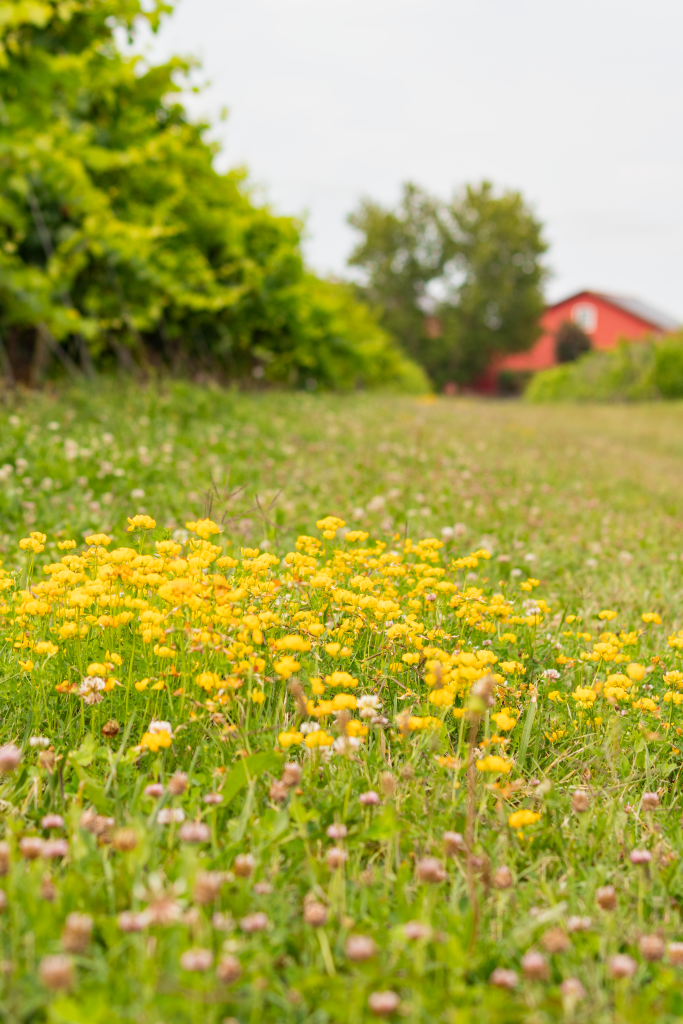
At San Simone, sustainability is at the heart of everything we do. We avoid herbicides and chemical fertilizers, favoring practices that work in harmony with nature. Grass between the rows protects beneficial insects, supports microfauna, and provides shelter for wildlife such as hares and squirrels. We also use biological methods like “sexual confusion,” which naturally controls harmful insects through pheromones.
Careful vineyard management ensures healthy, well-ventilated grape clusters, while climate monitoring allows us to respond precisely to rainfall, temperature, and humidity. We are experimenting with disease-resistant PIWI grape varieties and converting other vineyards to organic certification.
All vineyard work is done mechanically, using only organic fertilization and green manure in combination with traditional grassing. Biodiversity is central to our vision: we have planted hedges and 3,000 m² of woodland to recreate the traditional tree-lined landscapes of our region.
At San Simone, every decision reflects our commitment to the land, biodiversity, and the long-term quality of our wines.
CLEAN ENERGY, REDUCTION OF CONSUMPTION, AND SOLID WASTE
Our winery produces clean energy through rooftop solar panels, while careful maintenance, insulated wine tanks, and a biological water treatment system minimize environmental impact and save energy.
We use lightweight bottles, 100% recyclable corks, and recycled cardboard to reduce emissions, and we embrace creative recycling solutions to give materials a second life.


ACTION AND PROCEDURES
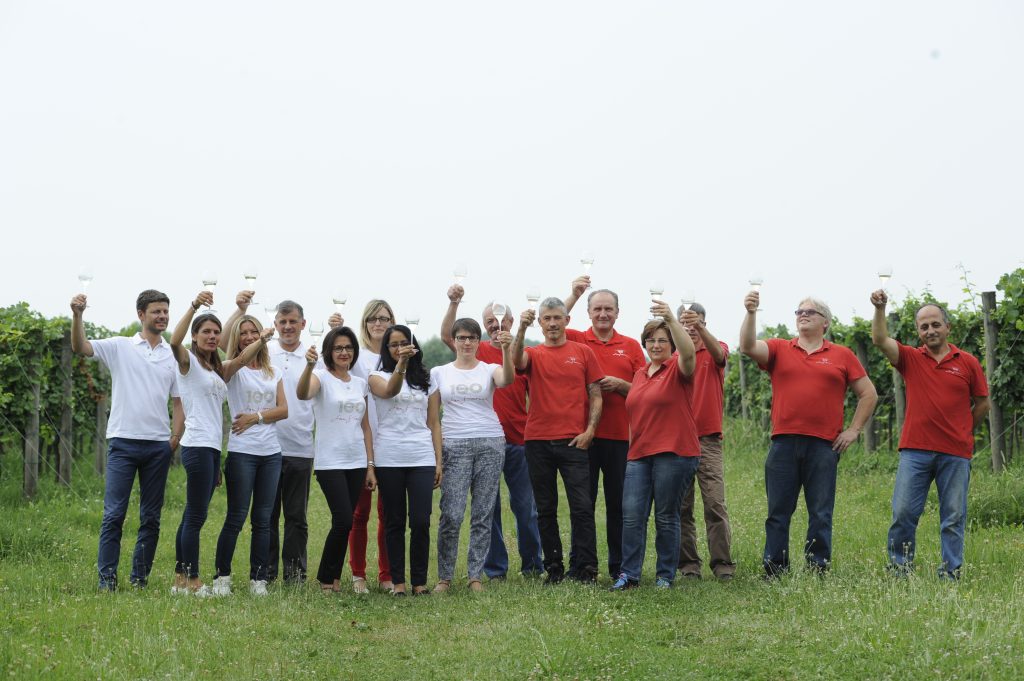
All employees are expected to adopt behaviors consistent with Progetto Verde in all activities related to their role, including providing training on environmental and safety issues. Energy savings, waste reduction, and minimizing by-products are central priorities for everyone involved.
While Progetto Verde is our internal company initiative, a broader territorial project would be desirable—not as a marketing tool, but as a source of collective and personal fulfillment. We all need ecological awareness simply to help mitigate damage to the ecosystem, and it is clear that such efforts should be addressed on a community-wide scale.